
Subscribe to continue reading
Subscribe to get access to the rest of this post and other subscriber-only content.

Subscribe to get access to the rest of this post and other subscriber-only content.

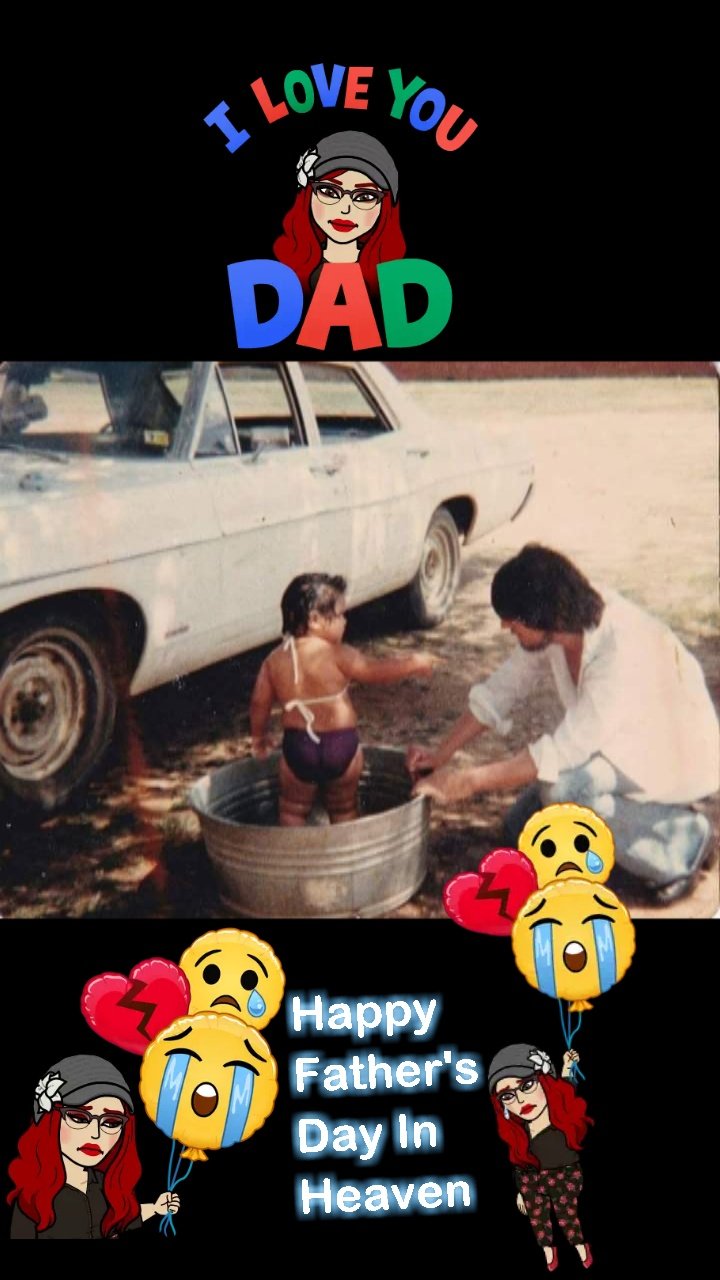
Thinking about you daddy. Every day I do. I wish we could shoot the breeze one more time. I’d talk and listen to you forever. 😢






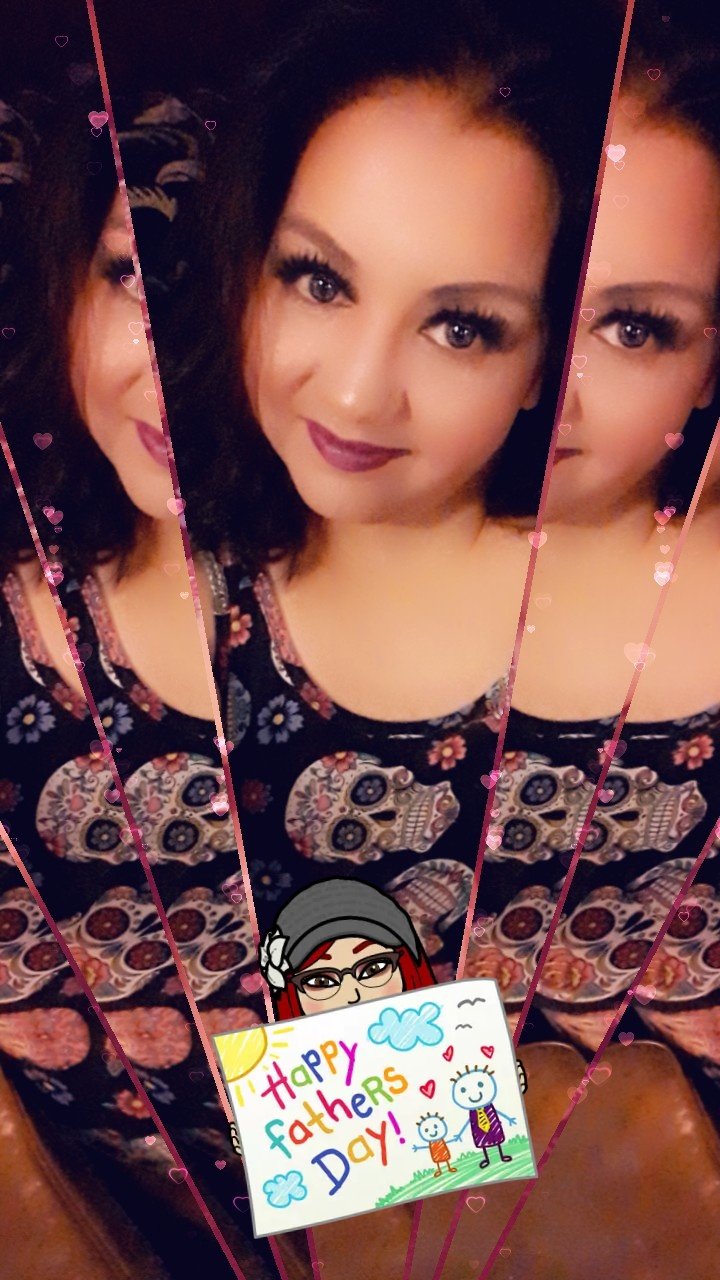




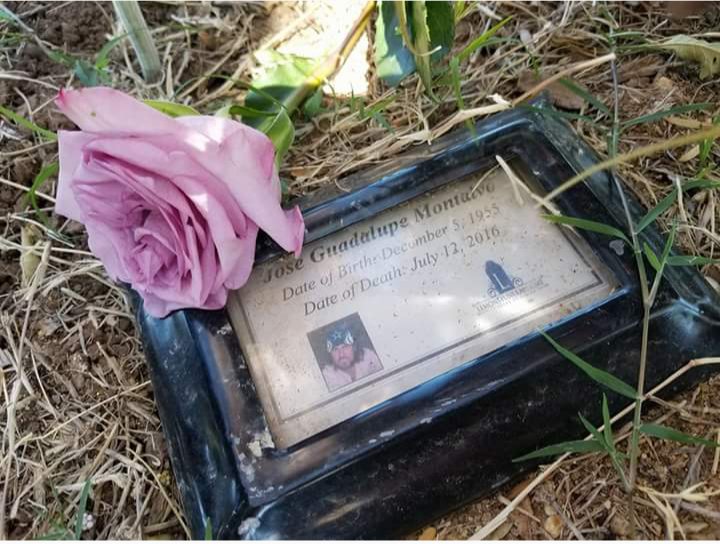
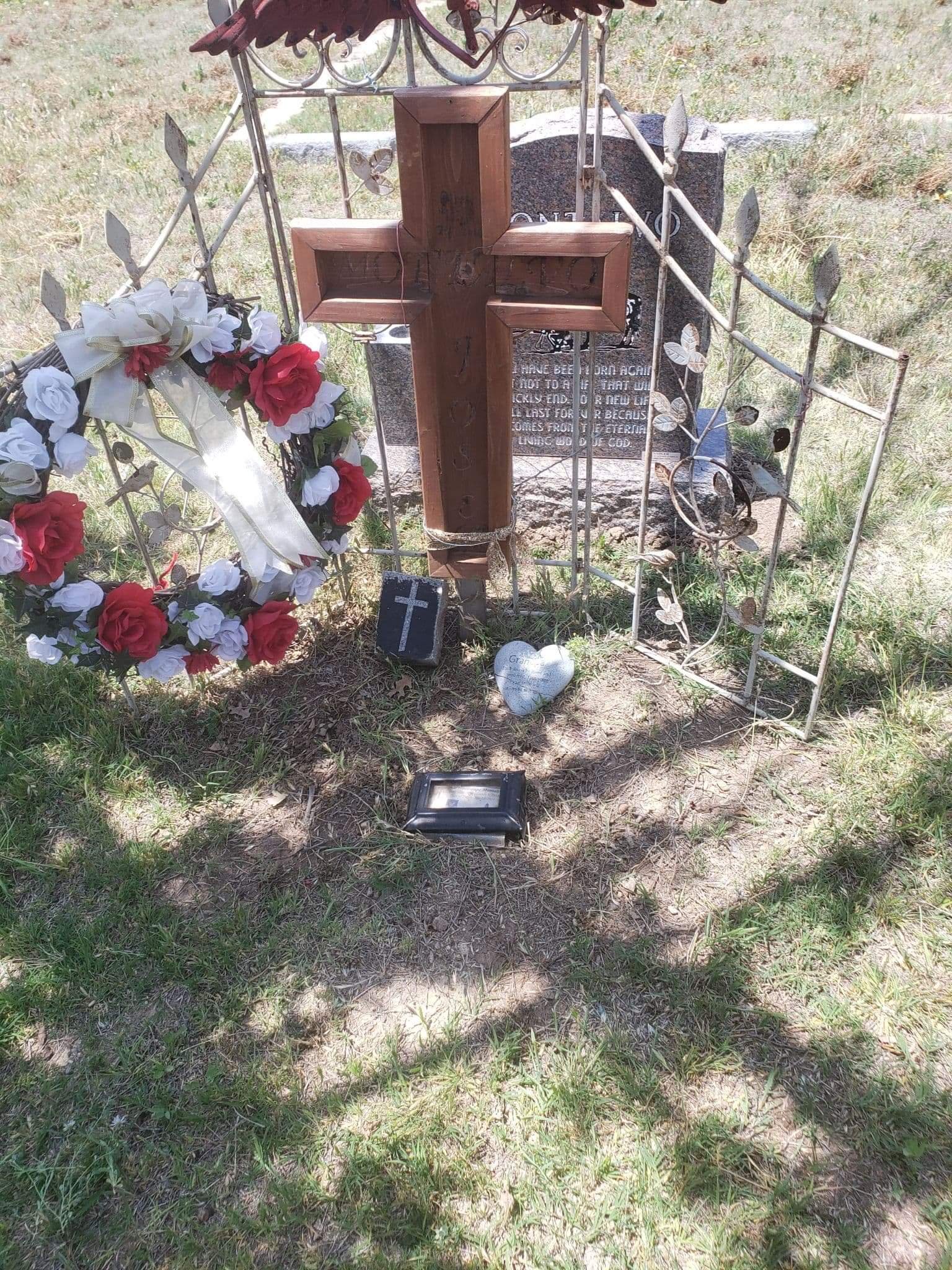
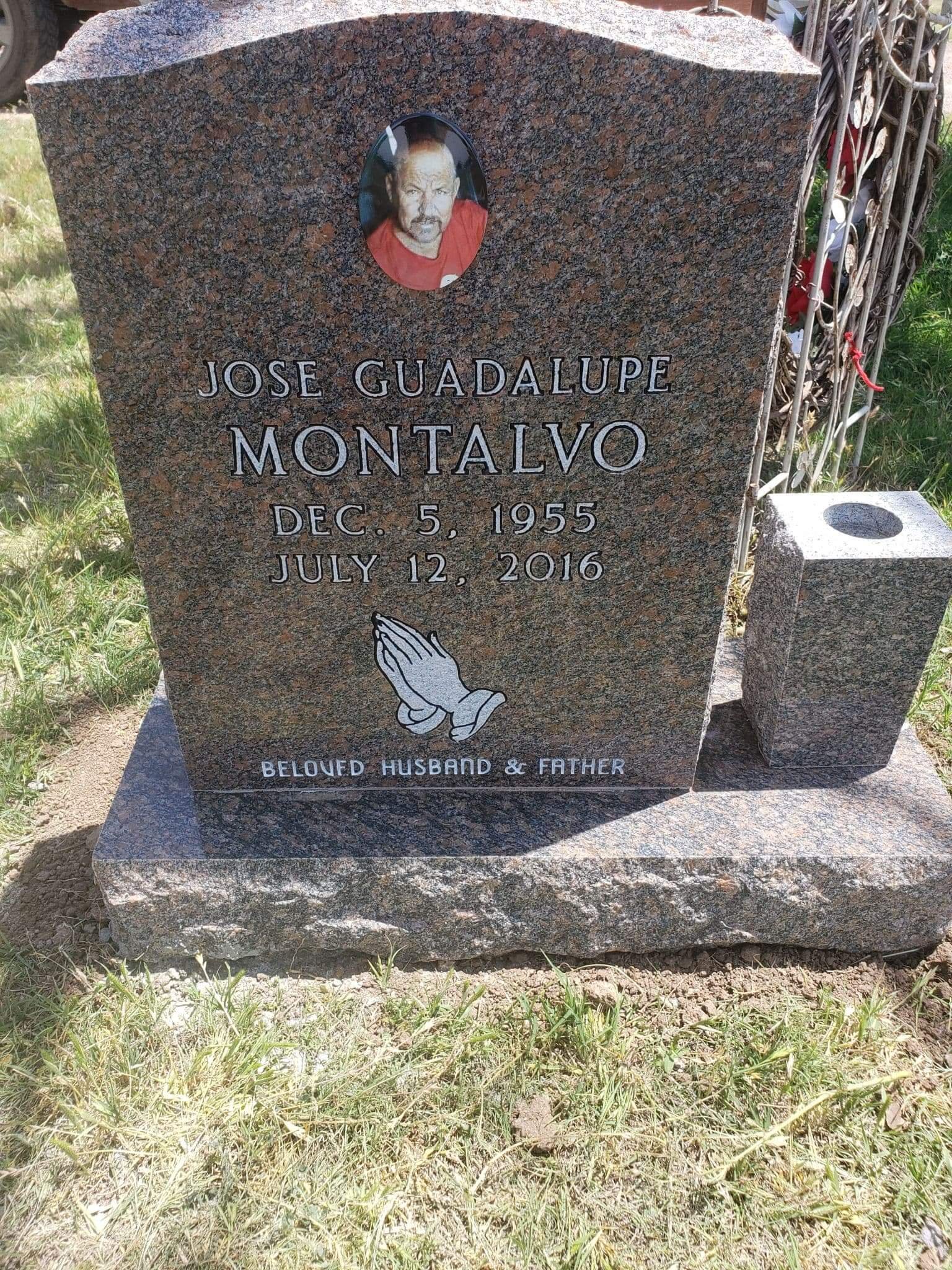




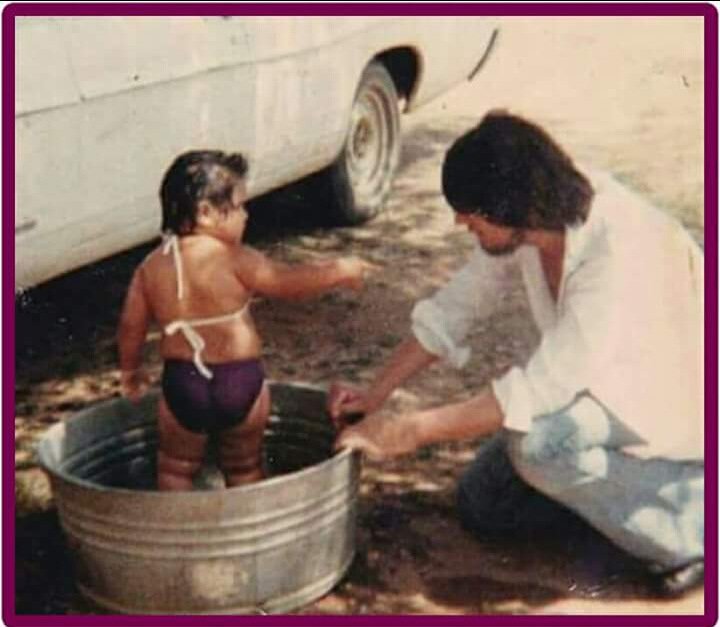

If you’re the father of a daughter, this is for you.
You might be wondering, how does a father play a vital role, concerning his daughter’s weight and self image? Well I’m gonna tell you how, and why it really is more important than you think.
I’ll start by telling you my story.
When I was a baby, and a growing little girl, I was always fat and chubby. Growing up in a Mexican family, we became accustomed to many things.
One of those things, was the family “roastings”. Family would roast you about anything and everything. That’s just the way it goes in a Mexican household. You quickly learn to develop a thick skin.
Being that I was the firstborn, I was their first victim. The one thing that they relentlessly loved to tease me about was my weight.
My dad was just like any other father who loves joking around with his loved ones. To him it was just harmless teasing. It started with: THE SONG. Yes, he made up an entire song about me.
I can laugh about it now, but only because I know that it was my father’s unique way of being playful and connecting with us, through humor. Although at the time, it was the opposite of humorous to me. It was hurtful for a long time.
But as a kid, this song, along with the snide remarks thrown at me by my dad and other loved ones, would unknowingly impact me, for the rest of my life.
Are you ready for the words to this infamous song?
This is how it goes:
“Deanna la marana
Se callo en el socetal
Vino el zapatero
Y no la pudo levantar
The english version/translation of it is:
“Deanna the pig
Fell in the mud
Along came the shoeman
And couldn’t pick her up.”
Some of the remarks that he would also say are:
Lla deja de comer
Or
Lla deja la mesa
Which is:
Quit eating
Or
Get away from the table
There are more, but I’m too embarrassed to repeat them. He always said it laughing. Poking fun at me and not really meaning any harm by it, but also oblivious to the fact that it really did do harm.
As a daughter, I wish I would have received more acceptance, and less body shaming. I wish I would have been taught about self-love. Especially from family.
When a father teases a daughter about her weight, EVEN IF JUST playfully, it leaves her very self-conscious about her entire body and image. I don’t think it’s right to add anymore doubt to her self-image given the societal pressures and unrealistic beauty standards already bombarding her.
Believe it or not, she will never forget it. I think fathers may not realize the power of their spoken words. The things you speak into existence could have impacting consequences on your daughter’s. You decide early on whether that will be negative or positive.
We girls suppress the memories, but it’s like they’re archived in our brain bank. They silently reside there, waiting for the next trigger to resurface that wound. By the time we become women, we have been conditioned to accept this treatment by everyone.
A daughter doesn’t want to be constantly compared to the primas and criticized for the way she looks.. Unfortunately, in my culture that’s a daily part of life.
If it’s not the parents taunting her, trust me there is still tias, tios, abuelitos, primas, primos, and amigos that will gladly step in and do it.
I remember hearing a tio say to me:
“Tu hermana es la mas bonita de todas. “
“Your sister is the prettiest one of all.”
Both of my sisters are equally beautiful by the way. But it bothers me to this day that his words wore planting a negative seed. But I can see that as an adult now, he was causing self-doubt and perhaps even trying to cause a division of our bond. I’m happy to report that it didn’t cause a division in our bond .
But unfortunately, I have come to believe the labels they (people) slapped on us. The label that my sisters are the pretty ones…….and I’m just the smart one. It’s like a self fulfilling prophecy.
And I remember friends of my parents coming to visit and also doing this same thing.
They mean well, but that’s why it’s important to educate our own communities about the possible consequences of these type of words and comparisons.
Check out this movie scene in the link below, from the movie “Little Miss Sunshine. “Watch how the little girl’s father tries to guilt her for eating the ice cream. Because his logic was that she wouldn’t be able to be skinny and thus become a beauty pageant “winner” if she ate the ice cream.
Little Miss Sunshine Ice Cream Scene
What do you think now? Do you think it’s just harmless fun to joke about your daughter’s weight, body, or image? Or do you think perhaps we should approach this area with sensitivity? Or do you worry it will make your daughter weak if she can’t handle your criticism? Let me know your thoughts.
Works Cited:
YouTube:Foxhomeent
You will find, as you look back upon your life, that the moments that stand out are the moments when you have done things for others
-Henry Drummond
From The Treasure Chest
Papi use to tell me stories about growing up in poverty in Mexico. I remember how he would chastise and lecture us about our wastefulness.
He would shake his head with disapproval if we were being wasteful, and then would proceed to tell us about his experiences as a young boy in Mexico.
He would tell us that he was so poor that even as a 15 year old boy…he didn’t have shoes to wear. He would get teased and bullied by other kids at school because he didn’t have shoes.
To make matters worse…he would work out in the heat to help abuelito. With no shoes, I can’t even begin to imagine what the hot dirt did to his feet. Blister and burn him for sure.
He would tell us his stories with pride. He knew he had worked hard. They would pay him with livestock. He was giddy about a pig he earned once.
That was how it was back then. People didn’t have money, so…they bartered. They would “borrow” my Papi for field hands and manual labor…but pay him with what they had.
Papi didn’t tell us this because he wanted sympathy or empathy. Rather, he used this as a life lesson to teach us that we should be good stewards of everything we have. If he caught us being wasteful, we would hear about it.
I was blessed to have him as my Papi for 60 years. In those years I have many fond memories. Some of my favorite, are when he would take clothes and supplies to his family in Mexico. He even managed to buy trucks and take them to his brothers in Mexico.
I remember we would put a camper on the truck and load it up with boxes and boxes of clothes in the back.
I even remember when we took the clothes to an impoverished town to deliver the clothes. I will never ever forget what I saw and how I felt.
I saw my Papi calling all the people out to the truck. Papi had left the camper at the rancho. So the people just hopped right on the bed of the truck and began digging through the clothes. Smiling, laughing, and, taking what they could use.
I felt happy to see people were so elated to receive used clothes. I felt proud that my Papi loved his gente so much, and that he had a big heart for giving. He never forgot about his people.
To this day…I am inspired when I see mi gente buying ropa and zapatos y mas to take to Mexico. I work at a thrift store and am lucky to meet many amazing people.
Not just Mexican people, but many other cultures too. I have seen African women buying in bulk to send to Africa. And many others too.
One day a lady came to my register to check out. I struck up a conversation with her and discovered that she was making her purchase as a ministry gift to the impoverished people in remote areas in Mexico.
I got excited when she told me about her planned trip to make the delivery. I was so happy to hear this because it brought back many memories of my trips to Mexico with goods to deliver to familia and the poor.
I asked the lady to take lots of pictures and to please remember to come back and show me. Well several months passed by.
Then one day the lady came back into the store. Honestly, I didn’t think she would come back, although I hoped she would.
She showed me her photos. We talked and we cried. I listened to her tell about her experience and how thankful the people were. She was so impacted by the people that she said she would do another trip.
They asked her for food. But she said it’s very difficult to bring food from US to Mexico because of restrictions. But she wants to raise funds so that when she is in Mexico next time, she can bring them food too.
I have shared her gofund me link after this post so that you can read her story and maybe you will feel led to make a charitable contribution to her personal ministry in helping the poor.
Or perhaps you can just remember to give when and where you can. If you can’t give goods or funds….please….give kindness. Give your time by volunteering when you can.
Kindness is free. But nobody uses it anymore. I am very disheartened by the callousness of people’s hearts and actions these days.
This topic has been on my heart lately. I am not a perfect woman. I make mistakes. But I am proud that I had parents who taught me to give.
Parents that, despite being dirt poor, were able to bless many many people. I pray that I can be as kind a person as my parents. As kind as this good samaritan lady.
God doesn’t look at the size of your giving. He just wants you to give what you can. I learned from one of my favorite books, The Blessed Life, by Robert Morris, that you can’t outgive God. This book has the best teaching on the subject of giving and tithing. I recommend it to everyone any chance I get.
No matter what or how much you contribute, your giving has a positive impact. I pray that God would bless both the givers and the receivers, for we never know on which end we will be.
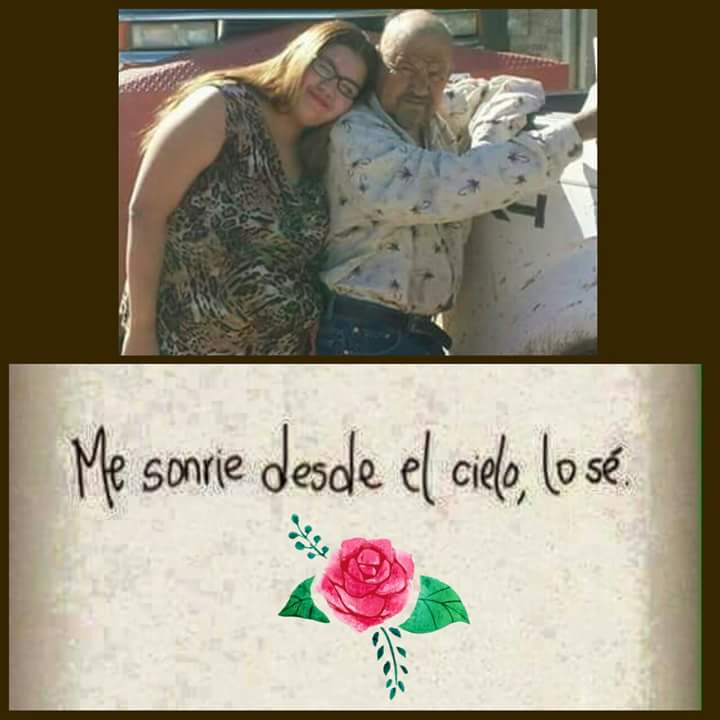
https://www.gofundme.com/37itjc0
Works Cited:
Morris, Robert. The Blessed Life
Wallis. L. Charles, The Treasure Chest. 1965. Harper & Row Publishers Inc. 49 East 33rd Street ,New York 16, N.Y.
 Candid Chicana Chronicles